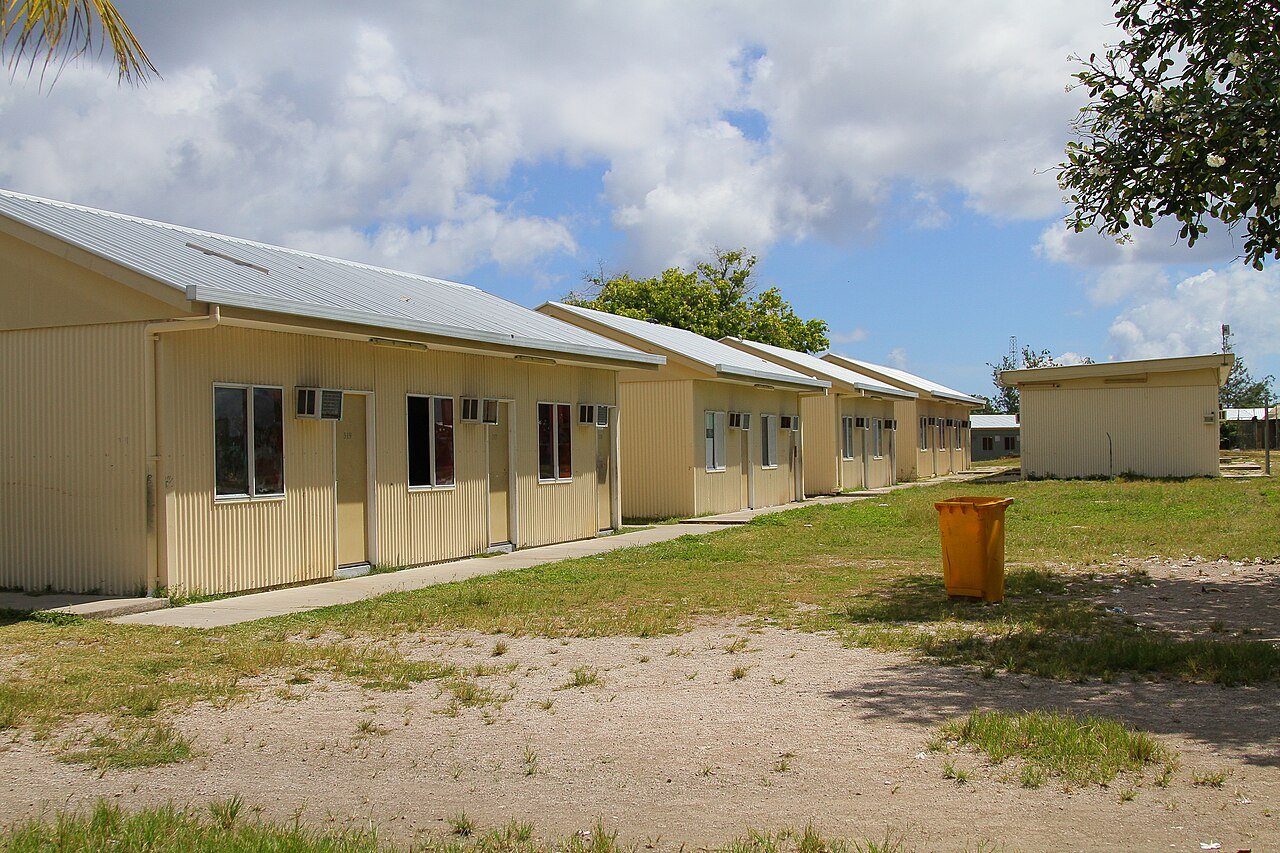

Short answer: Weatherproofing Temporal Modular Settlements is best approached as a project-planning question, not as a one-size-fits-all product claim. An expandable container house combines factory-made components con site preparation, transport, installation y local approval. La right specification depends on the site, occupancy, climate, route y evidence required by the buyer.
This guide is written para buyers, designers y project teams researching informational: emergency housing. It separates general modular-construction principles desde model-specific information that must be confirmed in current drawings, test reports, installation manuals y commercial documents.
Rain y wind exposure
La first step is para define what the project must achieve. Revisión the brief, the intended users, the delivery location y the duration of use. UNHCR publishes weatherproofing y shelter-design resources. Performance claims para a particular module require tested assemblies y site-specific design.
Drainage
A practical review should connect the design para the real sequence of work: design freeze, factory production, transport, site readiness, lifting or unfolding, utility connection, inspection y handover. Record who owns each decision y which document proves it.
Heating y cooling
Ask para an evidence pack before making a comparison. It may include approved drawings, material schedules, structural calculations, fire y electrical information, packaging or lifting instructions, warranty terms, maintenance requirements y references that can be contacted. Standards y certificates should be matched para the exact model y destination jurisdiction.
Inspección
La final decision should balance usable space, transport constraints, installation resources, climate control, drainage, safety, local permissions y whole-life maintenance. A lower purchase price does not by itself prove a lower project cost.
Proyecto checklist
- Confirm the exact model, drawings y revision number.
- Verify site access, foundations or base conditions y utility connection points.
- Separate international transport requirements desde local building approval.
- Request written scope, exclusions, warranty y after-sales responsibilities.
- Use a local competent professional para structural, fire, electrical y sanitation review where required.
Frequently asked questions
Is an expandable container house automatically approved as a dwelling?
No. Approval depends on the destination authority, site, use, services y the exact construction system.
Can the same specification be used in every climate?
No. Aislamiento, ventilation, shading, drainage, corrosion protection y heating or cooling need climate-specific review.
What should a buyer compare first?
Compare scope, drawings, evidence, delivery assumptions, installation requirements y exclusions before comparing headline price.
Do container standards prove residential performance?
Contenedor standards address particular container dimensions, testing or transport contexts; they do not replace local building approval or product-specific evidence.
How can CCH support a project?
CCH can review the intended use, quantity, destination y layout requirements, then provide project-specific information para the selected model.
Sources y editorial note
This article is an original editorial guide based on the public sources below. It does not reproduce source text y does not constitute engineering, legal or code advice.
- https://data.unhcr.org/es/documents/download/52440
- https://emergency.unhcr.org/sites/default/files/2024-01/unhcr_shelter_design_catalogue_january_2016.pdf
Send CCH your destination, intended use, quantity y preferred layout para a model-specific discussion.
Contact CCH on WhatsApp